

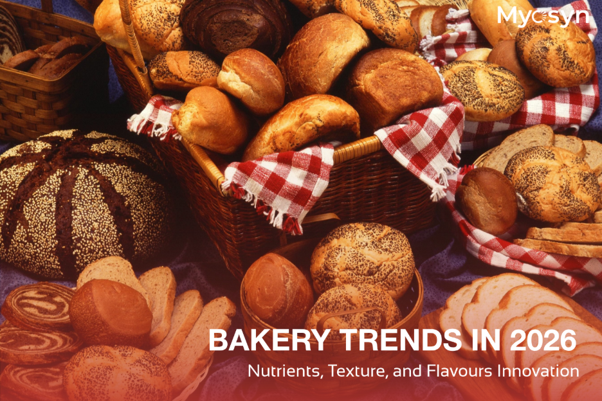
Bakery Trends in 2026: Nutrition, Texture and Flavour Innovation
Bakery has always been one of the most familiar and comforting food categories. From breads and muffins to pastries, biscuits, cakes and sweet treats, consumers continue to look for products that bring them enjoyment, satisfaction and a reason to come back.
In 2026, that expectation is becoming more layered. Great taste remains essential, but consumers are also paying closer attention to nutrition, texture and flavour experiences that fit their lifestyle and make familiar products feel new again.
For food manufacturers, these trends create both opportunity and complexity. The strongest ideas are those that can attract attention, be developed effectively and produced consistently at scale.
What Consumers Are Looking For
Consumers not only seek bakery products that taste good, but also increasingly look for those that make them feel good.
Nutrition is now a stronger part of bakery conversation. Consumers are paying closer attention to values such as protein, sugar, sodium, and fibre, while still expecting bakery products to feel enjoyable and satisfying.
Inclusive options are also becoming more important. Familiar bakery favourites are being developed into formats such as gluten-free, helping more consumers with specific dietary needs to enjoy products that are often part of everyday routines and shared occasions.
For manufacturers, the challenge is to incorporate these dietary requirements into their existing products without making the final product feel like a compromise.
Texture as Part of the Experience
Texture remains one of the key drivers of bakery appeal. A product may have the right flavour, but the eating experience is often shaped by the bite.
Consumers are showing more interest in texture combinations that make familiar products feel new. Crispy and creamy, soft and crunchy, chewy and smooth — these contrasts can create a more memorable experience in just one bite.
For manufacturers, texture innovation can help refresh existing product lines and create stronger interest in new launches. However, texture also needs to be considered carefully. A crisp element can soften over time; a filling can affect the surrounding crumb, and a product that performs well in trial may behave differently in full production.
Flavour Innovation: Familiarity Meets Discovery
Flavour trends are moving in two directions at once. Consumers continue to enjoy familiar flavours that feel comforting, nostalgic or connected to home. At the same time, they are open to bold new combinations that offer a sense of discovery.
This balance is especially valuable in bakeries. A familiar base can make a product feel approachable, while a new flavour direction can make it feel more modern and exciting.
The Formulation Challenge
Following trends is not enough. A trend may create interest, but success depends on whether it can be translated into a product that performs consistently.
Adjusting nutrition, building texture contrast or introducing new flavour systems can affect softness, structure, mouthfeel, stability, processing behaviour and shelf life. This is why bakery innovation requires careful research, ingredient knowledge, and practical understanding of production conditions.
What This Means for Food Manufacturers
Bakery trends in 2026 present strong opportunities for manufacturers who want to develop products that are relevant, enjoyable and commercially practical.
Before moving forward with a new concept, it is important to consider the product goal, target consumer, processing method, packaging format, shelf-life requirements and the level of change required in the existing formulation.
At Myosyn Industries, we work with food manufacturers to turn market trends into practical, customised solutions. By combining food science expertise with real-world manufacturing knowledge, our team helps develop ingredient systems and formulations designed around each customer’s product, process and market needs.